
Basement Design Ideas: What Actually Matters Before You Build
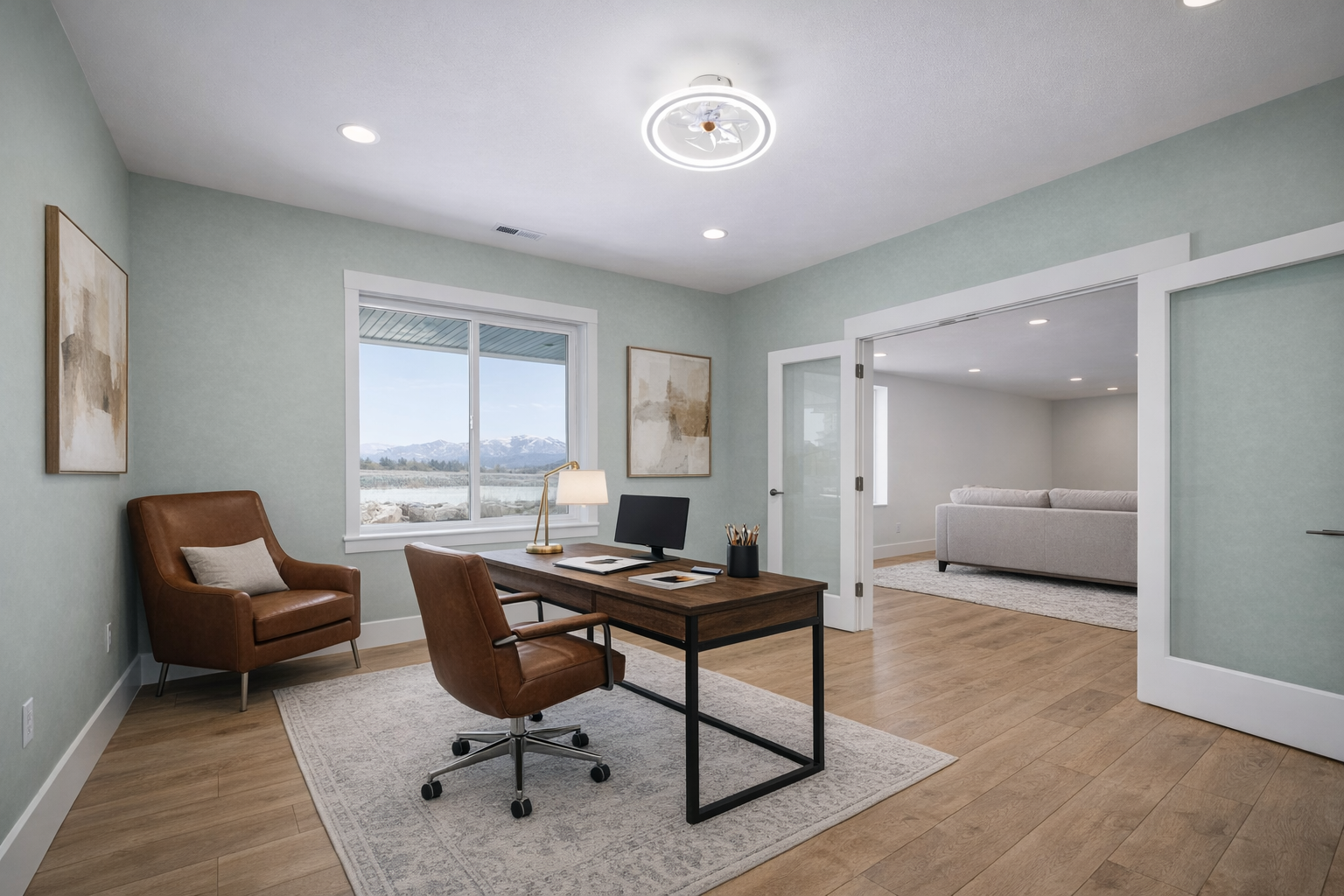
Most people come into a basement finishing project thinking about the fun stuff — flooring, paint colors, where the TV goes. And that stuff matters. But the decisions that actually determine how well your basement lives day-to-day happen earlier in the process, before a single wall is framed.
Here are the things worth thinking through before you get started.
Open vs. divided layout
The biggest layout decision is how much you wall off. A more open plan feels larger and works well for living and entertaining spaces. A more divided layout gives you defined rooms — better for bedrooms, a home office, or a rental setup where privacy matters. Most basements end up somewhere in between, and getting this right early saves you from wanting to move walls later.
How you plan to use it — now and later
The best basement layouts are designed around actual use, not just what sounds good on paper. A family with young kids needs something different than a couple who wants a guest suite or a homeowner planning a rental unit. It's worth being honest about which of those you actually are — because the layout decisions that follow are different in each case.
It's also worth thinking about how your needs might change. A basement designed as a playroom today might need to work as a bedroom suite in five years. Building some flexibility into the layout costs little upfront and saves a lot later.
Ceiling height and mechanicals
Standard basement ceiling heights in newer Utah homes are usually workable (8 foot or 9 foot is pretty standard), but mechanical runs — HVAC ducts, water lines, beam pockets — eat into that headroom in specific spots. Where those runs land affects where you can put bedrooms, how you design a theater area, and where potential soffits need to be created to hide duct work, plumbing, and electrical lines. It's worth mapping this out early rather than designing around obstacles you discover mid-build.
Natural light and egress
Basements don't have a lot of natural light options — the windows are where the builder put them, and that's largely fixed. What you can control is how you design around them. Bedrooms need to be placed at walls with existing egress-sized windows to meet code, so the window locations your builder left you with play a real role in shaping where rooms go. It's one of the first things we look at when planning a layout.
Bathroom placement
Where your bathroom goes is largely determined by where your plumbing is already stubbed — and that's set by whoever built your home. Working with those stub-outs keeps costs down. Relocating plumbing means cutting concrete, which adds real cost and time. It's sometimes the right call, but it should be a deliberate decision made early, not a surprise mid-project.
Final Thoughts
None of this needs to be figured out before you talk to a contractor — that's what the consultation is for. But homeowners who've thought through these questions ahead of time tend to end up with basements they're happier with. If you're in the planning stage and want to talk through what makes sense for your space, we offer free consultations throughout Tooele County. The right basement design can dramatically increase both usability and resale value. Whether you want a family gathering space, a private office, or a fully functional rental unit, thoughtful planning ensures your basement becomes one of the most valuable parts of your home.
